Showing posts with label recipes. Show all posts

Saturday, February 1, 2020

It's Time to Love Your Legumes Australia

Many of us have a bag or tin of dried beans sitting at the back of the cupboard and it can be difficult to know what to do with them. But thanks to a wave of plant-based trends, coupled with the International Year of Pulses in 2016, the humble pulse, or legumes as they're more commonly known, are now increasingly being seen for the nutritional powerhouses that they truly are. With pulses on the brain, we've been looking at the health benefits they provide and new ways in which to incorporate them into our diet!

But first, what actually is a pulse?

Pulses belong to the wider legume family, which is a group of plants whose fruit or seed is enclosed in a pod. Pulses refer specifically to the dried, mature seeds of these plants and include dry peas, beans, lentils and chickpeas. The term ‘legume’ includes these dry varieties, as well as fresh peas and beans and is a more commonly used term than pulses.

Many people are most familiar with legumes in the form of the much-loved baked bean, but there are hundreds of varieties of legume out there - some of the most familiar including chickpeas, lentilspeas and beans - like butter beans, kidney beans, cannellini beans and soybeans.

Legumes and pulses come in a variety of shapes, sizes and colours and can be eaten in many forms including whole, split, ground into flour, dried, canned, cooked or frozen.


Why are they so good for me?

Legumes are packed with a whole range of essential nutrients, they are...
  • An economical source of plant-based protein.
  • Higher in protein than most other plant foods.
  • Generally low in fat, and virtually free of saturated fats.
  • Rich in energy-giving carbohydrates, with a low glycaemic index to help maintain blood glucose control.
  • A good source of B-group vitamins including folate, plus iron, zinc, calcium and magnesium.
  • Abundant in fibre, including both insoluble and soluble fibre, plus resistant starch - all essential for maintaining good gut health!

There are many studies which show that legumes offer significant health benefits including protection against chronic diseases, assisting with weight management and helping to maintain good gut health.

How much should I be eating?

Pulses like chickpeas, lentils and kidney beans are full of nutrients, inexpensive and important for health and well-being. We recommend aiming for 100g or ½ cup of pulses at least three times a week to maintain good health.

 Download your copy of our latest e-book here for exclusive legume recipes and tips!


So how do I add more legumes into my diet?

  Enjoying legumes as part of a healthy habit is easier than you might think...
·        Use hummus instead of mayonnaise in a sandwich
·        Substitute a mix of kidney beans or red lentils for half the mince in a spaghetti bolognaise or chilli
·        Mix in a handful of black beans or lentils when cooking scrambled eggs
·        Try whizzing a handful of cannellini beans into a fruit smoothie 
·        Use mashed cooked brown lentils in a nutty bliss ball mix

Why not try something new with these legumes…

Chickpeas offer a creamy texture and mild taste and make a great base for soaking up flavours.

Try something new with chickpeas: why not mix up your hummus with additions like sundried tomatoes, beetroot, feta or cooked sweet potato or why not try the latest foodie trend, sweet hummus!


Black beans have a delicious meaty texture and make a great addition to burgers or as a mince substitute in chilli.

Try something new with black beans: use them to add a fudgy texture to brownies or showcase them as the star in your next veggie burger.


Download our latest e-book here to get a delicious brownie recipe where you can use lentils or black beans!

Lupins are slowly making their mark in the world of legumes due to their incredible versatility - they can be eaten fresh, or use lupin flour, flakes and kibble to add extra protein and fibre when baking.

Try something new with lupins: use a mix of lupin flakes and oats for a nutritious homemade muesli or use lupin flour to make these delicious Blueberry and Vanilla Muffins.


Top tips for prepping and storing your legumes

·        Cooking dried legumes (or pulses) in large batches is easy and cost-effective - simply freeze individual portions of cooked legumes for up to three months for ready-to-use convenience.
·        When using canned legumes, rinse contents thoroughly to reduce sodium content by more than 40%.
·        Soaking dried legumes for an hour or two, or overnight if you have time, ensures that they're easier to digest and maximises nutrient bio-availability. Split peas and lentils don't need to be soaked.
·        Store cooked, cooled legumes in an airtight container in the fridge for no more than 3 days - this applies whether they're from a can or cooked at home.


With so many varieties to choose from, there are many reasons to love your legumes - their health benefits, versatility and abundance of nutrients being just a few. But however you choose to eat them, know that whenever you do you’re making a significant contribution to your health.

Visit the GLNC website for more information on the nutrition benefits of legumes, handy tips and recipe inspiration or download your copy of our latest e-book here for exclusive recipes and tips!

Friday, November 16, 2018

Do you take the time to breakfast?

by Kathleen Alleaume

You've heard it before and you’ll hear it again: breakfast is the most important meal of the day – and it’s good to see that message is really sinking in.

A new study of Australian breakfast habits showed that just over 80 per cent (81%) eat breakfast every day. Very few respondents (3%) never ate breakfast, but of those who did (1), the main reason being that they were not hungry in the morning

Why is breakfast important?
Breakfast is important for several reasons. Eating a meal in the morning provides necessary fuel for your body and brain. It can also help stabilise blood sugar and insulin levels, which in turn regulates appetite, meaning we are less likely to be hungry and mindlessly snack throughout the day. For children, eating breakfast has been positively associated with brain function, cognition and academic achievement (2).

So what makes a nutritious breakfast?
For the most nutritious start to the day, aim to choose foods from each of the five food groups: fruits and/or vegetables, whole grains, protein foods and dairy. The first step is to choose quality carbohydrates, such as whole grains (e.g. rolled oats, buckwheat, quinoa), whole grain breads, high fibre breakfast biscuits, whole fruits and vegetables. These foods dish up a healthy dose of fibre to keep hunger at bay help and aid digestion and provide longer lasting fuel. 


Step two, combine your carbs with a serve of protein from foods like yoghurt, eggs, nuts and seeds or legumes. These foods help to promote satiety (feeling full) and ease blood sugar fluctuations, and also contain other nutrients like calcium and heart healthy fats. 


The final step is to choose a variety of fruit or vegetables for added fibre, antioxidants, as well a small amount of healthy fats, such avocado.

Get your day off to a great start with these nutritious breakfast ideas!

  • High fibre smoothie; use a combination of fruit or vegetables with milk or yoghurt, rolled oats and nut butters
  • Boiled eggs with whole grain toast
  • Porridge or cooked quinoa parfait with yoghurt and fruit
  • Slice of whole grain toast with baked beans and spinach and/or mushrooms
  • Whole grain toast with smashed avocado and feta and a sprinkle of lupin flakes
  • High fibre breakfast biscuit with milk and banana
  • Buckwheat or lentil pancakes with fresh fruit and ricotta cheese

Or for more inspiration, take a look at GLNCs delicious breakfast recipes here.

Kathleen Alleaume is a nutrition and exercise scientist who is passionate about making sense of the conflicting health buzz.

References

  1. Grains & Legumes Nutrition Council. 2018. Do you take the time to break-fast? Australian Breakfast Survey. Unpublished.
  2. Hoyland A, Dye L, Lawton CL. A systematic review of the effect of breakfast on the cognitive performance of children and adolescents. Nutrition Research Reviews 2009; 22: 220-243.


Sunday, July 22, 2018

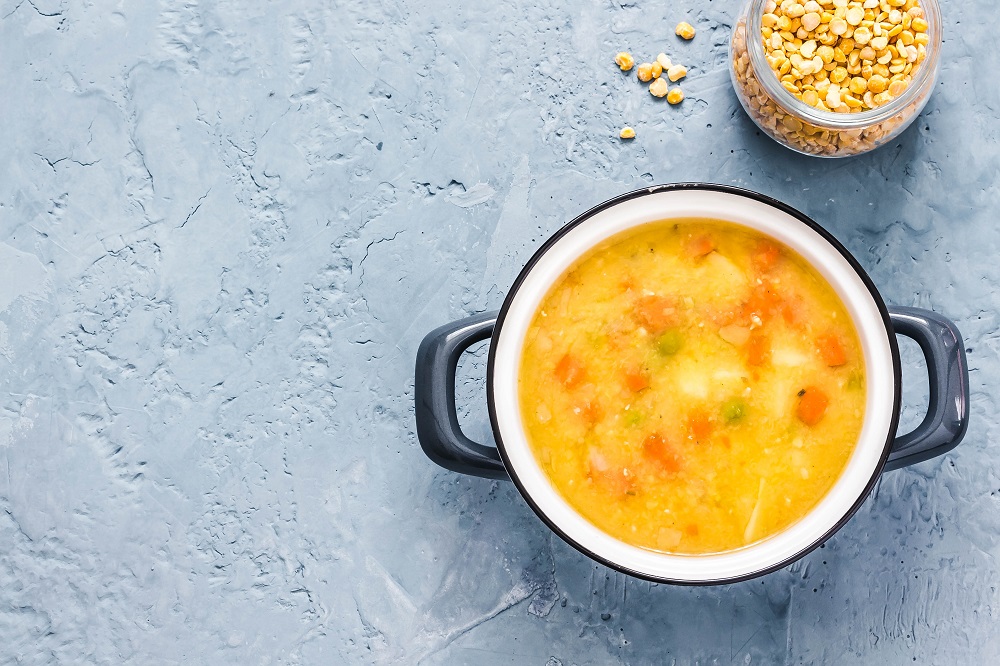
3 reasons you should be making homemade soup this winter


As the weather starts to cool down, there are few things more nourishing than warming up with delicious comfort food, like a big bowl of homemade soup. Not only is soup a quick, easy and healthy dinner solution, it's easily reheated for a wholesome lunch the next day - often tasting even better! Or simply freeze your leftovers for up to a few months - it’s the ultimate cheap and nutritious frozen meal.

Here are 3 reasons why you should make soup part of your weekly routine this winter:

1. Homemade soup can be a balanced ‘one-pot’ meal

Gone are the days of having a one or two veg soup as an entrée to the main course. These days, exciting and balanced soup recipes are the main course, one that will ensure you're getting a variety of food groups and nutrients in one meal! Don’t be afraid to experiment with different whole grains and legumes to mix things up – quinoa, barley, rice, beans, chickpeas, lentils and peas – these all add important nutrients to your soup, add variety and help keep you full. Several studies also show that eating soup is associated with higher diet quality and lower body weight (1).


2. Soup is cheap, quick and easy to make

Most soup recipes make 4-6 serves, and are easily stored in the fridge or freezer. Additionally, when you compare the cost of ingredients against the number of meals you get out of the pot, soup works out to be an extremely economical option! Most soups are also low on prep and cooking time – just chop up your veggies, throw in a mix of herbs, spices, grains, legumes or lean meats, then leave to simmer.


3. Soup is the ultimate staple for meal-prepping

Homemade soup is an obvious choice when meal-prepping for the week, due to its versatility with storage and reheating. You’ll be the envy of your co-workers when you have a chicken, barley and vegetable soup to pop in the microwave at lunchtime. Coming home from a long day in the office, with hungry kids in tow, there’s nothing better than having a freezer full of rich tomato and cannellini bean soup to throw on the stove and reheat. You know you’re consuming a healthy, nutritious and warming meal in the time it takes to come to the boil – just toast a few slices of wholemeal or whole grain bread and you’re set.

Get creative, experiment, and mix and match to get the most out of your soup this winter!


Quick tips on making your soup super healthy:

-        Choose low salt/sodium stock
-        Experiment with plant-based sources of protein such as tofu, beans, eggs or lentils
-        Skip the cream – thicken with milk, yoghurt, sweet potato, pureed white beans or beaten eggs 
-      Add flavour with fresh herbs and spices
-        Cook with lean meats such as chicken, turkey, fish or seafood

Take a look at our recipe collection here for more great soup inspiration!

Reference
(1) Zhu Y and Hollis JH, Soup consumption is associated with a lower dietary energy density and a better diet quality in US adults. Br J Nutr. 2014 Apr 28;111(8):1474-80

Thursday, January 25, 2018

4 Steps to Creating the Ultimate Sandwich!

by Lisa Sengul

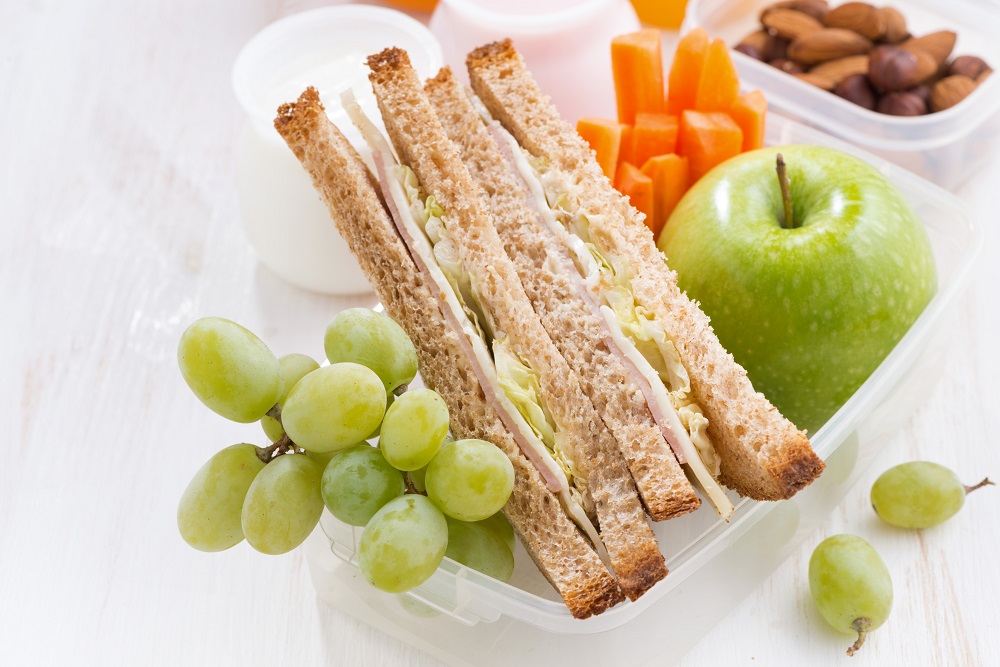
It’s that time of year again when the kids are headed back to school and it’s easy to feel overwhelmed with the thought of so many lunches to prepare. We’ve got your back this new school year - creating a nutritionally balanced lunchbox doesn’t have to be so stressful. Take a step in the right direction by making your kids a wholesome sandwich!   


Did you know bread contains vital nutrients such as fibre, B-group vitamins, folate, thiamine, zinc, vitamin E and antioxidants? So it’s the perfect vehicle for creating a nutritious, portable lunch.

If you’re lacking inspiration when it comes to packing school lunches, simply follow our 4 easy steps to creating the ultimate portable lunch…

1.     Choose your base - a well-constructed sandwich relies on a substantial base! Whatever you choose to build your sandwich on, we recommend choosing whole grain, wholemeal or high fibre varieties where possible. Whole grain and high fibre foods can reduce our risk of developing Type 2 diabetes, heart disease and some cancers.

If you have a picky eater on your hands try using one slice white and one slice wholemeal bread or use a high fibre white bread!   

2.     Add flavour - use your favourite spread like vegemite, hummus or avocado to add a pop of flavour, colour and nutrients. Mix things up and try this bright beetroot hummus.

3.     Add your veggies - use a handful of salad or any other raw or cooked vegetables you have at home. Don’t look past last night’s leftover roast pumpkin or zucchini!

4.     Finally, choose your protein power - quick and easy sources of protein like cheese, tuna, boiled eggs or leftover roast meat are great for sandwiches.

Getting the kids involved...
Now that you’re ready to get creative, why not get the kids to help? A great way to get younger kids involved and make lunchboxes fun is by cutting sandwiches into shapes using cookie cutters!

Encourage your kids to get involved in lunchbox choices too - asking them to choose their fruit and veggies will help to reduce uneaten food at the end of the day.

Top tips for avoiding soggy sandwiches
·       Very lightly toast bread, just 1-2 minutes 
·       Make sure lettuce leaves, rocket and salads are nice and dry before assembling - use a paper towel to remove most of the moisture
·       Put condiments like mayo in the middle of your sandwich, between meat or cheese
·       Use lettuce leaves as a barrier - layer first so they are directly in contact with the bread

Still lacking inspiration?
Don’t worry, we’ve prepared a bunch of lunchbox sandwich, wrap and roll recipes that are sure to get your creative juices flowing. You can find all these and more on our website. Check out our Mexican Bean Wrap - it takes just 5 minutes to prepare and it’s a winner with the kids!

Tuesday, December 12, 2017

12 Ways to Enjoy Grains & Legumes this Festive Season!

Along with the festive season comes the rush to fit in last minute jobs for the year, plus never-ending social catch ups. Not to mention the main event come Christmas Day!

To keep you feeling full of energy and armed with some delicious foodie ideas for the holidays, we’ve put together our list of 12 ways with grains & legumes this festive season.

1. Summer smoothies for breakfast: The jury is out over whether it really is the ‘most important meal,’ but there’s no doubt a healthy breakfast can set you up for a day of healthier eating. For warmer mornings, smoothies make the perfect quick and easy option. Give this Blueberry & Cashew Smoothie a try – by throwing one Weet-Bix in the blender you can get a third of your whole grain Daily Target Intake!

2. Easy lunches: Busy days mean little time to stop and put together a healthy lunch, so having a nutritious option pre-made and ready to go is the best way to nourish your body with little effort. Making a double-serve of dinner for leftovers is a smart move, as is meal-prepping when you have a bit of spare time. Made with eggs, wholemeal pasta, and veggies, this Pasta &Vegetable Frittata is packed with protein and fibre to keep you going through the afternoon. Perfect for lunchboxes too!

3. Get your bake on: Christmas time is synonymous with baking, so once you’ve whipped up the usual festive treats, try something a little different, like these Super Lentil Bites. Made with a mix of lentils and nuts, these little treats are packed with healthy fats and fibre and taste great. Better yet, they’ll be ready to eat in just 10 minutes!

4. Pimp your sandwich: So much more than a school lunchbox staple! The humble sandwich is the ideal way to enjoy leftovers from big barbecues or lunches. Think ham off the bone or roast turkey slices with leftover salads, sandwiched between your favourite whole grain bread. Or try this delicious classic – egg lettuce!

5. Different desserts: You’ve heard of hummus, but how about dessert hummus? Although it might sound crazy, this sweet tasting dip is trending, and thanks to social media, finding recipe inspiration is only a few clicks away. All you need is a base of drained, rinsed chickpeas and a few other ingredients blended in the food processor. With options like chocolate chip peanut butter, snickerdoodle, chocolate, and apple pie, you’ll almost forget you’re still getting a serve of legumes in! Try cutting up a selection of fruit for dipping.

6. Summer BBQs: Whether you’re hosting, or heading to a BBQ as a guest, coming up with a crowd-pleasing side-dish can be tricky. Give this Fresh Lentil, Mango & Quinoa Salad a try and watch it disappear!

7. Meat-free meals: Whether you’re mixing up the weekly menu with more plant-based meals, or are expecting vegetarian guests for lunch, there are endless options for meat-free recipes. Try experimenting with tofu, nuts and seeds, legumes like lentils or chickpeas, and different cheeses like haloumi and feta. A winner for summer BBQs are these Stuffed Capsicums, made with chickpeas, brown rice, pine nuts, and goats cheese or feta.

8. Make friends with salad: If  ever there’s a time to experiment with salads, it’s summer, when the temperature rises and your tastebuds crave fresh, crunchy meals. To make a really satisfying salad, there are a few elements to consider. First, start with a grainy base, like ½ cup cooked rice, quinoa, or freekeh. Next, add a mix of salad leaves and any other veggies you have on hand, as well as a protein source, like boiled eggs, nuts, your favourite cheese, tinned tuna, leftover roast chicken, or some legumes like cannellini or black beans. Finally, drizzle on a tasty dressing (a vinaigrette of olive oil, balsamic vinegar and mustard is a fail-safe), and you’re done! Or try out this fibre rich salad with freekah, lentils and feta!

9. Foodie gift ideas: There’s nothing nicer than giving, or receiving handmade gifts. Whip up a big batch of festive spice granola or muesli and divide into jars finished off with a red ribbon – perfect for small last minute gifts. Use our base granola recipe and get creative with your flavours by trying a mix of different spices and nuts to mix it up!

10. School holiday snacks: Along with the Christmas holidays comes the long summer break for school kids. For days at home, keep a supply of cut-up fruit and veggies in the fridge, ready to pull out and serve with hummus or tzatziki dip when hunger calls. When you’re out on the go, use a cooler bag stocked with whole grain crackers and cheese, or snap-lock bags of air-popped popcorn. They’re always popular, plus around three crackers and ½ cup of popcorn offers one third of their Daily Target Intake for whole grains! Why not try this bright pink beetroot hummus for a twist on traditional varieties the kids will love.

11. Road trip snacks: For many of us, summer holidays mean long road trips – the perfect excuse for preparing a selection of delicious car snacks! And as the weather warms up, food safety is an important consideration, so keep your snacks to shelf-stable options that won’t spoil out of the fridge. Think snack or muesli bars, or make your own trail mix using different nuts, seeds and dried fruit combos! If you’re feeling adventurous why not try roasting your own chickpeas

12. Healthy nibbles: No party platter is complete without at least one dip for veggie sticks and crackers, and the choice most of us agree on is hummus. But rather than grabbing some from the shops, impress your friends with a homemade version. You’ll be surprised at just how simple it is –this Classic Hummus has just 6 ingredients, and all you’ll need to whip it up is 10 minutes and a food processor!

However you incorporate grains and legumes into your diet this festive season, make sure you have fun with your food and enjoy a happy holiday!