Showing posts with label wholegrains. Show all posts

Sunday, July 22, 2018

3 reasons you should be making homemade soup this winter


As the weather starts to cool down, there are few things more nourishing than warming up with delicious comfort food, like a big bowl of homemade soup. Not only is soup a quick, easy and healthy dinner solution, it's easily reheated for a wholesome lunch the next day - often tasting even better! Or simply freeze your leftovers for up to a few months - it’s the ultimate cheap and nutritious frozen meal.

Here are 3 reasons why you should make soup part of your weekly routine this winter:

1. Homemade soup can be a balanced ‘one-pot’ meal

Gone are the days of having a one or two veg soup as an entrée to the main course. These days, exciting and balanced soup recipes are the main course, one that will ensure you're getting a variety of food groups and nutrients in one meal! Don’t be afraid to experiment with different whole grains and legumes to mix things up – quinoa, barley, rice, beans, chickpeas, lentils and peas – these all add important nutrients to your soup, add variety and help keep you full. Several studies also show that eating soup is associated with higher diet quality and lower body weight (1).


2. Soup is cheap, quick and easy to make

Most soup recipes make 4-6 serves, and are easily stored in the fridge or freezer. Additionally, when you compare the cost of ingredients against the number of meals you get out of the pot, soup works out to be an extremely economical option! Most soups are also low on prep and cooking time – just chop up your veggies, throw in a mix of herbs, spices, grains, legumes or lean meats, then leave to simmer.


3. Soup is the ultimate staple for meal-prepping

Homemade soup is an obvious choice when meal-prepping for the week, due to its versatility with storage and reheating. You’ll be the envy of your co-workers when you have a chicken, barley and vegetable soup to pop in the microwave at lunchtime. Coming home from a long day in the office, with hungry kids in tow, there’s nothing better than having a freezer full of rich tomato and cannellini bean soup to throw on the stove and reheat. You know you’re consuming a healthy, nutritious and warming meal in the time it takes to come to the boil – just toast a few slices of wholemeal or whole grain bread and you’re set.

Get creative, experiment, and mix and match to get the most out of your soup this winter!


Quick tips on making your soup super healthy:

-        Choose low salt/sodium stock
-        Experiment with plant-based sources of protein such as tofu, beans, eggs or lentils
-        Skip the cream – thicken with milk, yoghurt, sweet potato, pureed white beans or beaten eggs 
-      Add flavour with fresh herbs and spices
-        Cook with lean meats such as chicken, turkey, fish or seafood

Take a look at our recipe collection here for more great soup inspiration!

Reference
(1) Zhu Y and Hollis JH, Soup consumption is associated with a lower dietary energy density and a better diet quality in US adults. Br J Nutr. 2014 Apr 28;111(8):1474-80

Monday, May 21, 2018

Do it like the Danes this Whole Grain Week!

In Australia, Nordic nations are best known for their chilly climate, flat-pack furniture, and addictive TV crime shows, but why not their whole grain habits? This Whole Grain Week, we’re encouraging you to eat like the Danish – who enjoy more than three times the amount of whole grain than most Aussies!

Whole Grain Week (18-24 June) is all about spreading the word on how important whole grain foods are in our diet, and inspiring Australians to make simple swaps for big health benefits.

Whole grain foods like brown rice, pasta, oats, and wholemeal bread are packed with nutrition, and there’s good evidence that people who eat them regularly are less likely to develop heart disease, type 2 diabetes, even bowel cancer.


But unfortunately few Australians eat enough; 59% of us choose refined grains, eating an average of just 21g whole grain per day – less than half the recommended 48g Daily Target Intake.

The ‘New Nordic Diet,’ is one of the latest diets where whole grain foods feature heavily - think rye bread, oats, and barley, so it will come as no surprise that Danes devour an average of 63 grams of whole grain each day – trebling the Aussie effort!

Most of us know whole grain foods are full of fibre, but Accredited Practising Dietitians Alex Parker and Anna Debenham from The Biting Truth say there’s actually much more to it. “Whole grains are little nutrition powerhouses, delivering more than 26 nutrients, like vitamins, minerals, fibre, even antioxidants.”


So why don’t we eat more whole grain? For many Australians, it comes down to the extra time it may take to cook whole grains, as well as simply being in the habit of choosing refined grains like white bread, rice, and pasta. So how can you enjoy the health benefits of eating more, without compromising on taste or time? Themis Chryssidis and Callum Hann, from Sprout Cooking School say a bit of prior planning is key:

“Many whole grain varieties actually only take an average of just 4 minutes longer to cook than white varieties. But you can cut cooking time further by soaking grains like freekeh or brown rice overnight, or for a few hours in advance. You could also cook a big batch of whole grains on a free afternoon and freeze individual portions in snap-lock bags or containers – ready to throw in your lunch bag or defrost for dinner!” says Themis, an Accredited Practising Dietitian.


The duo also suggest checking out the expanding grains section in the supermarket, which is bursting with convenient microwaveable products and interesting new varieties – think quinoa/rice mixes, wild rice and every colour rice you can imagine - red, black, purple, barley, teff, amaranth, buckwheat and many more.

So why not try a few simple swaps this Whole Grain Week to boost your health, without compromising on taste or time. Check out our handy ready reckoner to see how you can reach your 48g every day!


The Biting Truth’s top three whole grain nutrition benefits!

1. Eating whole grains protects our health in the long-term, against things like cardiovascular disease, type 2 diabetes, and bowel cancer. 

2. Choosing whole grain foods may help with weight maintenance: people who eat whole grains regularly are likely to have a healthy weight and waist circumference.

3. They’re great for our gut: the fibre in whole grains ‘feeds’ our good gut bacteria, which may improve our health in other ways – controlling our appetite, reducing inflammation, and boosting immunity. 


Try these delicious recipes to help you hit your whole grain target!

These delicious Baked Oats are a breakfast the whole family will love.
Enjoy a classic for lunch with an Egg & Lettuce Sandwich on wholemeal bread.
Make a batch of these Corn & Zucchini Muffins to tide you over for morning or afternoon tea!
For dinner, this Freekeh, Lentil & Bean Salad makes a great stand-alone or side dish with fish.

For more information on Whole Grain Week or to find out how you can help spread the whole grain message, visit our website here.


Tuesday, March 13, 2018

What’s all the fuss about the New Nordic Diet?


Almost every week we see a new diet being touted as the next big thing. Few diets come out on top, but the New Nordic Diet (New Nordic Diet) is up there along with its close cousin, the Mediterranean diet. We’ve taken a closer look at just why it’s meant to be so good for us…

Firstly, where does the New Nordic Diet come from?

The New Nordic Diet shares its roots with the traditional Nordic way of eating and was created in 2004 as a collaboration between the Nordic Council for Ministers and the acclaimed Copenhagen restaurant NOMA, to celebrate the simplicity of the Nordic style of eating. It’s based around seasonal, regional food with a particular focus on health, sustainability and flavour and ties in with several key food trends for 2018 and beyond, including the recent focus on plant-based foods.

So what do I eat on the New Nordic Diet?

The New Nordic Diet is often described as a ‘cooler temperature’ take on the Mediterranean diet, which is widely considered to be the best diet for preventing heart disease. It features plenty of fruit and vegetables - think berries, cabbage, root vegetables and beans, as well as peas and lentils, potatoes, herbs, mushrooms, nuts and whole grains like barley, oats and rye. Lean meat and fish is eaten occasionally with a focus on quality - all these elements are similar to the Mediterranean diet, with one key difference; followers of the New Nordic Diet use canola oil instead of the traditionally Mediterranean olive oil.


Why is it good for me?

The core elements of the New Nordic Diet help to promote good overall health, alongside providing protection against being overweight, suffering from obesity and a range of other diet related diseases.
Research on the New Nordic Diet and weight management shows that people who closely followed the New Nordic Diet lost more weight1 and also gained less post-study2, compared to those following an average diet - which included refined grains, meat, dairy, confectionary and smaller amounts of low fibre fruit and veggies.

Additionally, another study showed that the New Nordic Diet can improve cardiovascular risk factors including blood lipids, insulin and blood pressure3.

Whilst data on the New Nordic Diet is limited so far, research is showing that sticking to a mostly plant-based diet and eating quality carbohydrates and whole grains, can help protect our overall health. Here’s how to eat New Nordic style for the day…
  • Start your day with a bowl of oats and berries
  • Switch your lunchtime sandwich bread to a wholemeal rye version
  • Choose whole grain crispbreads and pea hummus for an afternoon snack
  • Mix up your grains and try cooked barley with salmon for dinner instead of rice
Interested in adding more whole grains and legumes to your day? Visit our recipe section for delicious foodie inspiration.


References 
  1. Poulsen SK., Due A., Jordy AB., et al. (2014). Health effect of the New Nordic Diet in adults with increased waist circumference: a 6-mo randomised controlled trial. Am J Clin Nutr. 99:1, 35-45. Accessed from: http://ajcn.nutrition.org/content/99/1/35.long 
  2. Poulson SK., C rone C., Astrup A., Larsen TM. (2015). Long-term adherence to the New Nordic Diet and the effects on body weight, anthropometry and blood pressure: a 12-month follow-up study. Eur J Nutr. 54:1. 67-76. Accessed from: https://www.ncbi.nlm.nih.gov/pubmed/24664189
  3. Adamsson V., Reumark A., Fredriksson I-B. et al. (2010). Effects of a healthy Nordic diet on cardiovascular risk factors in hypercholesterolaemic subjects: a randomised controlled trial (NORDIET). J Intern Med. 269 150-9. Accessed from: http://onlinelibrary.wiley.com/doi/10.1111/j.1365-2796.2010.02290.x/full


Thursday, January 25, 2018

4 Steps to Creating the Ultimate Sandwich!

by Lisa Sengul

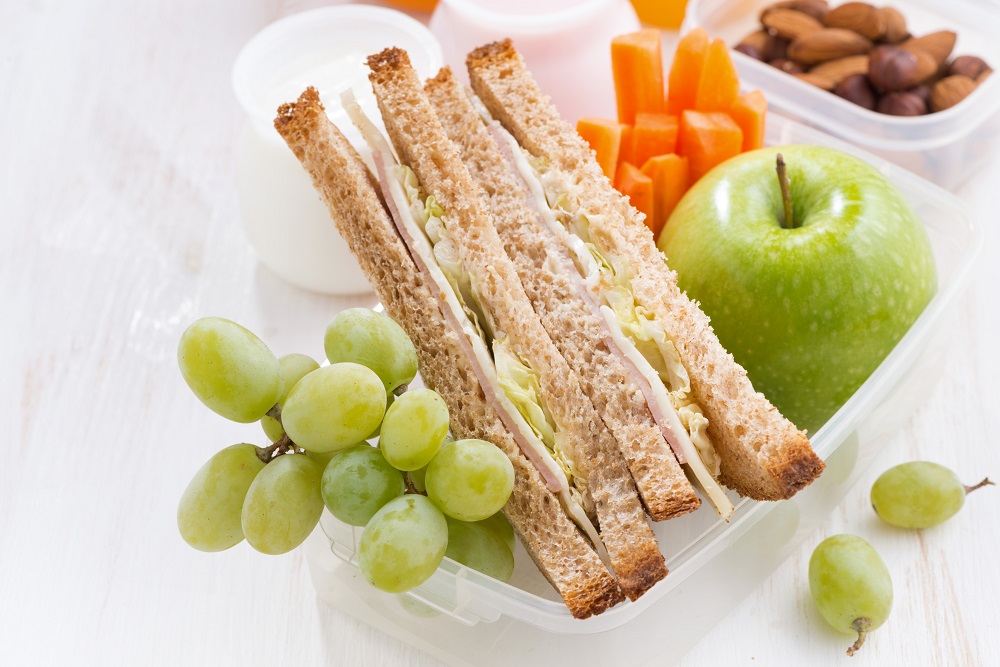
It’s that time of year again when the kids are headed back to school and it’s easy to feel overwhelmed with the thought of so many lunches to prepare. We’ve got your back this new school year - creating a nutritionally balanced lunchbox doesn’t have to be so stressful. Take a step in the right direction by making your kids a wholesome sandwich!   


Did you know bread contains vital nutrients such as fibre, B-group vitamins, folate, thiamine, zinc, vitamin E and antioxidants? So it’s the perfect vehicle for creating a nutritious, portable lunch.

If you’re lacking inspiration when it comes to packing school lunches, simply follow our 4 easy steps to creating the ultimate portable lunch…

1.     Choose your base - a well-constructed sandwich relies on a substantial base! Whatever you choose to build your sandwich on, we recommend choosing whole grain, wholemeal or high fibre varieties where possible. Whole grain and high fibre foods can reduce our risk of developing Type 2 diabetes, heart disease and some cancers.

If you have a picky eater on your hands try using one slice white and one slice wholemeal bread or use a high fibre white bread!   

2.     Add flavour - use your favourite spread like vegemite, hummus or avocado to add a pop of flavour, colour and nutrients. Mix things up and try this bright beetroot hummus.

3.     Add your veggies - use a handful of salad or any other raw or cooked vegetables you have at home. Don’t look past last night’s leftover roast pumpkin or zucchini!

4.     Finally, choose your protein power - quick and easy sources of protein like cheese, tuna, boiled eggs or leftover roast meat are great for sandwiches.

Getting the kids involved...
Now that you’re ready to get creative, why not get the kids to help? A great way to get younger kids involved and make lunchboxes fun is by cutting sandwiches into shapes using cookie cutters!

Encourage your kids to get involved in lunchbox choices too - asking them to choose their fruit and veggies will help to reduce uneaten food at the end of the day.

Top tips for avoiding soggy sandwiches
·       Very lightly toast bread, just 1-2 minutes 
·       Make sure lettuce leaves, rocket and salads are nice and dry before assembling - use a paper towel to remove most of the moisture
·       Put condiments like mayo in the middle of your sandwich, between meat or cheese
·       Use lettuce leaves as a barrier - layer first so they are directly in contact with the bread

Still lacking inspiration?
Don’t worry, we’ve prepared a bunch of lunchbox sandwich, wrap and roll recipes that are sure to get your creative juices flowing. You can find all these and more on our website. Check out our Mexican Bean Wrap - it takes just 5 minutes to prepare and it’s a winner with the kids!

Tuesday, December 12, 2017

The Power of a Plant-Based Diet for a Healthy Gut

by Anna Debenham & Alex Parker, The Biting Truth
Tired of diets promising health wonders and miracle cures that fail to eventuate? It’s time to say goodbye to the era of ‘low-everything’ diets and make room for the plant-based lifestyle!

There is growing evidence of the powers of plant-based diets (i.e. high in fibre, vitamins and minerals) on the health of your gut and your whole body, as well as reducing our risk of developing Type 2 Diabetes and Cardiovascular Disease by 20-25% 1-6. Following a diet that looks after your gut is imperative. After all, it’s where your food enters your body! Your gut helps you absorb nutrients, keep your immune system strong and prevent certain cancers. As well as your gut health, dietary fibre has profound impacts on your mood, fatigue, stress, mental health, weight and skin.

6 out of 10 Aussies are not eating enough fibre, so most of us could benefit from adding a little more to our diet! If you are worried that this might mean giving up meat, poultry, fish and dairy foods, then rest assured you don’t have to become vegetarian or vegan to reap the benefits of a plant-based diet!


Sounds like a winner? Let’s introduce you to this golden way of eating:

What is a plant-based diet?
A plant-based diet is one that focuses on including a variety of foods that are loaded with fibre - think fruits, vegetables, legumes, whole grains, nuts and seeds. Getting enough fibre is important, but eating a combination of different types of fibre is just as essential for good digestive health.
  • Soluble fibre: helps lower cholesterol and slow digestion. Eat more legumes, oats, barley, nuts, fruits and veggies. 
  • Insoluble fibre: promotes regular bowel movements. Eat more whole grains, nuts, seeds, fruits and veggies.
  • Resistant starch: act as food for our healthy gut bacteria (potentially the most important type). Eat more legumes (lentils, beans), whole grains, potatoes and firm bananas.
Good Sources of Dietary Fibre
Legumes (chickpeas, red kidney beans, four bean mix, lentils):
Legumes contain a type of fibre called ‘prebiotic fibre’, which feed our good gut bacteria and produce short chain fatty acids. Prebiotic fibre nourishes your intestinal cells and helps to push along the all-important fibre through your gut. Legumes may cause you to feel gassy, or bloated, but this is completely normal (did you know men fart on average 12 times a day and women 7 times). Start introducing legumes in small portions and gradually increase over the next few weeks (and remember to drink plenty of water to help push things along!). This way, you let your gut bacteria gradually adjust to your high(er)-fibre diet without any surprising changes in your bowel habits.

Grains (, oats, barley, rye, whole grain bread, brown rice, bran):
Cutting carbs has been shown to upset gut flora, so the paleo diet is out and grains are back in! In particular, fibre from grain foods has been shown to benefit our overall health, as they contain polysaccharides which provide bulk and absorb water to promote normal bowel movements. Many grains are also a good source of resistant starch (remember this is the food for our gut bacteria).

Fruits and veg:
Fruit and vegetables contain simple sugars which draw water into the gut to assist movement of fibre and prevent constipation. Rather than building your meals around protein try building them around your vegetables. Then add your grains and or legumes, top with crunchy nuts or seeds and finally add your meat, dairy, fish or eggs.

Are you getting enough?
A high fibre diet should give you a score of 4 or 5 on the Bristol Stool Chart. If yours is less than 4 then you may need more fibre in your diet.

6 Ways to Boost Your Fibre
  1. In your next spag bol or lasagna, swap 50% minced meat for 50% lentils, or for black beans in your beef patties and meatballs.
  2. Mix up your grains. Wheat is the most commonly eaten grain, but have you tried quinoa, spelt, teff, barley, rye, amaranth, buckwheat, bulgur, millet or sorghum? These will keep things interesting in your plant-based routine.
  3. Choose whole grain breads and cereals instead of refined varieties.
  4. Fill half your plate with non-starchy veggies.
  5. Enjoy a handful of nuts and seeds as a snack.
  6. Enjoy a potato salad for a dose of resistant starch
Summary
We are huge advocates of plant-based eating, as it encourages you to eat loads of fruits, vegetables, whole grains, legumes, nuts and seeds – all while still allowing for meats and other animal products. Following a plant based diet that is high in fibre is associated with improved digestive health as well as other health benefits. The type of fibre matters, which is why it’s important to enjoy variety (soluble, insoluble, resistant).


References

1.McMacken M, Shah S. A plant-based diet for the prevention and treatment of type 2 diabetes. Journal of Geriatric Cardiology : JGC. 2017;14(5):342-54.
2.Medina-RemÓn A, Kirwan R, Lamuela-Raventós RM, Estruch R. Dietary Patterns and the Risk of Obesity, Type 2 Diabetes Mellitus, Cardiovascular Diseases, Asthma, and Mental Health Problems. Critical reviews in food science and nutrition. 2016:00-.
3.Shang X, Scott D, Hodge AM, English DR, Giles GG, Ebeling PR, et al. Dietary protein intake and risk of type 2 diabetes: results from the Melbourne Collaborative Cohort Study and a meta-analysis of prospective studies. The American journal of clinical nutrition. 2016.
4.Melina V, Craig W, Levin S. Position of the Academy of Nutrition and Dietetics: Vegetarian Diets. Journal of the Academy of Nutrition and Dietetics. 2016;116(12):1970-80.
5.Dinu M, Abbate R, Gensini GF, Casini A, Sofi F. Vegetarian, vegan diets and multiple health outcomes: A systematic review with meta-analysis of observational studies. Critical reviews in food science and nutrition. 2017;57(17):3640-9.
6.Harland J, Garton L. An update of the evidence relating to plant-based diets and cardiovascular disease, type 2 diabetes and overweight. Nutrition Bulletin. 2016;41(4):323-38.

12 Ways to Enjoy Grains & Legumes this Festive Season!

Along with the festive season comes the rush to fit in last minute jobs for the year, plus never-ending social catch ups. Not to mention the main event come Christmas Day!

To keep you feeling full of energy and armed with some delicious foodie ideas for the holidays, we’ve put together our list of 12 ways with grains & legumes this festive season.

1. Summer smoothies for breakfast: The jury is out over whether it really is the ‘most important meal,’ but there’s no doubt a healthy breakfast can set you up for a day of healthier eating. For warmer mornings, smoothies make the perfect quick and easy option. Give this Blueberry & Cashew Smoothie a try – by throwing one Weet-Bix in the blender you can get a third of your whole grain Daily Target Intake!

2. Easy lunches: Busy days mean little time to stop and put together a healthy lunch, so having a nutritious option pre-made and ready to go is the best way to nourish your body with little effort. Making a double-serve of dinner for leftovers is a smart move, as is meal-prepping when you have a bit of spare time. Made with eggs, wholemeal pasta, and veggies, this Pasta &Vegetable Frittata is packed with protein and fibre to keep you going through the afternoon. Perfect for lunchboxes too!

3. Get your bake on: Christmas time is synonymous with baking, so once you’ve whipped up the usual festive treats, try something a little different, like these Super Lentil Bites. Made with a mix of lentils and nuts, these little treats are packed with healthy fats and fibre and taste great. Better yet, they’ll be ready to eat in just 10 minutes!

4. Pimp your sandwich: So much more than a school lunchbox staple! The humble sandwich is the ideal way to enjoy leftovers from big barbecues or lunches. Think ham off the bone or roast turkey slices with leftover salads, sandwiched between your favourite whole grain bread. Or try this delicious classic – egg lettuce!

5. Different desserts: You’ve heard of hummus, but how about dessert hummus? Although it might sound crazy, this sweet tasting dip is trending, and thanks to social media, finding recipe inspiration is only a few clicks away. All you need is a base of drained, rinsed chickpeas and a few other ingredients blended in the food processor. With options like chocolate chip peanut butter, snickerdoodle, chocolate, and apple pie, you’ll almost forget you’re still getting a serve of legumes in! Try cutting up a selection of fruit for dipping.

6. Summer BBQs: Whether you’re hosting, or heading to a BBQ as a guest, coming up with a crowd-pleasing side-dish can be tricky. Give this Fresh Lentil, Mango & Quinoa Salad a try and watch it disappear!

7. Meat-free meals: Whether you’re mixing up the weekly menu with more plant-based meals, or are expecting vegetarian guests for lunch, there are endless options for meat-free recipes. Try experimenting with tofu, nuts and seeds, legumes like lentils or chickpeas, and different cheeses like haloumi and feta. A winner for summer BBQs are these Stuffed Capsicums, made with chickpeas, brown rice, pine nuts, and goats cheese or feta.

8. Make friends with salad: If  ever there’s a time to experiment with salads, it’s summer, when the temperature rises and your tastebuds crave fresh, crunchy meals. To make a really satisfying salad, there are a few elements to consider. First, start with a grainy base, like ½ cup cooked rice, quinoa, or freekeh. Next, add a mix of salad leaves and any other veggies you have on hand, as well as a protein source, like boiled eggs, nuts, your favourite cheese, tinned tuna, leftover roast chicken, or some legumes like cannellini or black beans. Finally, drizzle on a tasty dressing (a vinaigrette of olive oil, balsamic vinegar and mustard is a fail-safe), and you’re done! Or try out this fibre rich salad with freekah, lentils and feta!

9. Foodie gift ideas: There’s nothing nicer than giving, or receiving handmade gifts. Whip up a big batch of festive spice granola or muesli and divide into jars finished off with a red ribbon – perfect for small last minute gifts. Use our base granola recipe and get creative with your flavours by trying a mix of different spices and nuts to mix it up!

10. School holiday snacks: Along with the Christmas holidays comes the long summer break for school kids. For days at home, keep a supply of cut-up fruit and veggies in the fridge, ready to pull out and serve with hummus or tzatziki dip when hunger calls. When you’re out on the go, use a cooler bag stocked with whole grain crackers and cheese, or snap-lock bags of air-popped popcorn. They’re always popular, plus around three crackers and ½ cup of popcorn offers one third of their Daily Target Intake for whole grains! Why not try this bright pink beetroot hummus for a twist on traditional varieties the kids will love.

11. Road trip snacks: For many of us, summer holidays mean long road trips – the perfect excuse for preparing a selection of delicious car snacks! And as the weather warms up, food safety is an important consideration, so keep your snacks to shelf-stable options that won’t spoil out of the fridge. Think snack or muesli bars, or make your own trail mix using different nuts, seeds and dried fruit combos! If you’re feeling adventurous why not try roasting your own chickpeas

12. Healthy nibbles: No party platter is complete without at least one dip for veggie sticks and crackers, and the choice most of us agree on is hummus. But rather than grabbing some from the shops, impress your friends with a homemade version. You’ll be surprised at just how simple it is –this Classic Hummus has just 6 ingredients, and all you’ll need to whip it up is 10 minutes and a food processor!

However you incorporate grains and legumes into your diet this festive season, make sure you have fun with your food and enjoy a happy holiday!


Monday, September 25, 2017

Australians Are Falling Short on Cereal Fibre

by Eden Barrett,  Accredited Practising Dietitian and PhD candidate from the University of Wollongong 

When we think about the benefits of fibre, we typically think about its role in digestive health and staying regular. While this is certainly one of fibre’s great benefits, there are many more you may be less familiar with. For example, did you know that a diet high in fibre has also been found to protect against heart disease, type 2 diabetes and some cancers (1,2,3). Additionally, fibre helps you to feel full eating fewer calories, which may explain why higher intakes of fibre are also associated with lower body weight (4).

What is particularly interesting is that these associations are often found to be strongest with high intakes of cereal fibre specifically (3,5,6,7), meaning the fibre that comes specifically from grain foods such as breads, pasta, rice and breakfast cereals.

To understand how much cereal fibre Australians are currently eating, we recently conducted some research with the University of Wollongong to develop a database of more than 1,900 foods containing cereal fibre, expanding on the current AUSNUT 2011-13 food composition database. This database allowed us to estimate how much cereal fibre Australians are getting through the foods they eat. In addition, we were also able to determine the main foods which were contributing to cereal fibre intake as well as how the amount of cereal fibre a person is eating may be related to their likelihood of meeting daily total fibre targets.

On average, Australian adults ate 6.4g of cereal fibre each day, while Australian children and adolescents ate 6.2g each day (8). This is the equivalent of about 2-3 slices of whole grain bread or 1 cup of wholemeal pasta. The main food items contributing cereal fibre within the Australian diets were:

  • Breads and bread rolls (29% of adult intake and 27% of child intake)
  • Ready to eat breakfast cereals and porridge (29% of adult intake and 22% of child intake)
  • Cereal-based mixed dishes (e.g. spaghetti bolognaise or risotto) (13% of adult intake and 16% of child intake).
Australians who ate the most cereal fibre were not only eating more cereal foods in general but were also choosing higher-fibre varieties, such as whole grain breads and breakfast cereals, porridge, whole wheat pasta and bran-based products.

Interestingly, those who ate the most cereal fibre also ate the most total dietary fibre and were more likely to meet the recommended daily target for dietary fibre (30g/day for men and 25g/day for women):

  • Men with diets highest in cereal fibre were 4.4 times more likely to meet the recommended target for total dietary fibre.
  • Women with diets highest in cereal fibre were 3.1 times more likely to meet the target for total fibre.
With that in mind, how much cereal fibre should you be eating, and how can you increase your intake? Within Australia, there is no guideline on how much cereal fibre to eat. However, the Australian Dietary Guidelines suggest adults should aim for four to six serves of grain foods each day and we should aim to choose whole grain, high-fibre options at least half of the time.

While different grains differ in the amount of fibre they provide, opting for whole grain cereal foods is a good way to increase your cereal fibre intake. Importantly, whole grain foods also contain other important nutrients such as magnesium and iron, as well as many B vitamins (thiamin, riboflavin, niacin and folate).

There are many ways to add whole grains in to your diet at every meal or snack. Here are just a few simple ideas to get you started:

  • Use wholemeal or whole grain bread for your sandwich at lunch
  • Go for plain popcorn or whole grain crackers as a high fibre snack
  • Try porridge in the colder months or muesli in Summer as an easy breakfast option
  • Give wholemeal pita breads a go for healthy homemade pizzas
  • Substitute regular flour for oat flour when baking muffins or making pancakes
  • Try wholemeal pasta or brown rice to boost the fibre content of your favourite family dinners
And remember, even small changes can have big benefits for your health. Just starting with one of these simple swaps to a higher fibre, whole grain option will help to boost your cereal fibre intake and contribute to a healthier you!

References

1 Yao, B. D., H. Fang, W. H. Xu, Y. J. Yan, H. L. Xu, Y. N. Liu, M. Mo, H. Zhang and Y. P. Zhao (2014). "Dietary fiber intake and risk of type 2 diabetes: a dose-response analysis of prospective studies." European Journal of Epidemiology 29(2): 79-88.
2 Wu, Y. H., Y. F. Qian, Y. W. Pan, P. W. Li, J. Yang, X. H. Ye and G. Xu (2015). "Association between dietary fiber intake and risk of coronary heart disease: A meta-analysis." Clinical Nutrition 34(4): 603-611.
3. Aune, D., D. S. Chan, R. Lau, R. Vieira, D. C. Greenwood, E. Kampman and T. Norat (2011). "Dietary fibre, whole grains, and risk of colorectal cancer: systematic review and dose-response meta-analysis of prospective studies." BMJ 343: d6617.
4 Du, H., H. C. van der A Dl Fau - Boshuizen, N. G. Boshuizen Hc Fau - Forouhi, N. J. Forouhi Ng Fau - Wareham, J. Wareham Nj Fau - Halkjaer, A. Halkjaer J Fau - Tjonneland, K. Tjonneland A Fau - Overvad, M. U. Overvad K Fau - Jakobsen, H. Jakobsen Mu Fau - Boeing, B. Boeing H Fau - Buijsse, G. Buijsse B Fau - Masala, D. Masala G Fau - Palli, T. I. A. Palli D Fau - Sorensen, W. H. M. Sorensen Ti Fau - Saris, E. J. M. Saris Wh Fau - Feskens and E. J. Feskens "Dietary fiber and subsequent changes in body weight and waist circumference in European men and women." (1938-3207 (Electronic)).
5 Hajishafiee, M., P. Saneei, S. Benisi-Kohansal and A. Esmaillzadeh (2016). "Cereal fibre intake and risk of mortality from all causes, CVD, cancer and inflammatory diseases: a systematic review and meta-analysis of prospective cohort studies." Br J Nutr 116(2): 343-352.
6. Schulze, M. B., M. Schulz, C. Heidemann, A. Schienkiewitz, K. Hoffmann and H. Boeing (2007). "Fiber and magnesium intake and incidence of type 2 diabetes - A prospective study and meta-analysis." Archives of Internal Medicine 167(9): 956-965.
7. Koh-Banerjee, M. F., M. Franz, L. Sampson, S. Liu, D. R. Jacobs, Jr., D. Spiegelman, W. C. Willett and E. Rimm (2004). "Changes in whole-grain, bran, and cereal fiber consumption in relation to 8-y weight gain among men." Am J Clin Nutr 80(5): 1237-1245.

8. Barrett, E. M, Probst, Y. C & Beck, E. J (2017). “Creation of a database for the estimation of cereal fibre intake”. Submitted to Journal of Food Composition and Analysis.

Monday, May 22, 2017

An Ingrained Truth: Pre-Exercise Fuelling & Post-Exercise Recovery Foods for Performance

By Toni L Franklin

Accredited Practising Dietitian, Dietitians Association of Australia, Provisional Sports Dietitian, Sport Dietitians Australia


The desire to seek out new or peculiar foods to add to our arsenal of table talk, or ‘foodstagram’ posts, is born out of natural human curiosity. But is there any grain of truth in the notion that we should be seeking out exclusive ancient grains to fuel our exercise training and performances?

Fuelling our bodies before exercise and restoring nutrition after exercise is a fundamental component of Sport Nutrition. Why?

Before exercise, the carbohydrate in food tops up our liver and muscle glycogen stores, especially if we are training first thing in the morning after an overnight fast. Eating before exercise also helps to avoid that niggling hungry feeling and help us get the most out of our training. Taking care to eat foods that don’t cause gastrointestinal upset should also be at the forefront of your food choices (1,2). After exercise, food helps you refuel in preparation for subsequent exercise sessions, promotes muscle repair and growth, boosts adaptation that occurs as a result of training and supports your immune function (3,4). The combination of appropriate nutritious foods and exercise works synergistically to help you achieve your goals.

Traditional and ancient grains battle it out on the playing field. Which is best?

Grains are a nutritious source of carbohydrate, fibre and micronutrients. A good comparison of the nutrient composition of different grains is found in the article “What’s all the fuss about trendy grains?” Grains also contain some protein, a fact that is commonly overlooked. Previous studies have investigated animal protein sources with a high amount of an amino acid called leucine and found around 20g stimulates muscle protein synthesis during recovery from exercise. However, we have recently seen an increasing interest in investigating plant sources of protein to support muscle protein synthesis, perhaps through fortification of leucine or by combining plant based proteins such as grains with complementary amino acid profiles (5).

So do both the hipster ancient grains and the traditional grandparent grains provide appropriate fuel for exercise? 

 The answer is yes. However, at this point, it’s important to reveal another essential principle of sports nutrition - using familiar foods with a known tolerance is always encouraged for key training sessions or competition. Most runners would not wear a brand new, untested pair of running shoes for a marathon race unless they are invincible to injury, blisters and indifferent about performance. If an ancient grain buckwheat, quinoa and chia acai bowl is what you normally eat and tolerate before exercise, go forth and conquer. But a good old-fashioned porridge or some whole grain toast with banana and honey is equally effective and possibly more tolerable on the gut if this is what you are used to eating. There is also something to be said about the nostalgic calming effect that familiar foods can have on settling rattled nerves before a big event. The crux of the matter is that a varied diet remains central to a healthy lifestyle. Both traditional and ancient grains should be friends not foes and there is no grain more ‘superior’ than another.

Key points for fuelling and recovery 

- Have your pre-exercise meal 3-4 hours before exercise if you struggle with gastrointestinal discomfort during exercise. This is more crucial for higher intensity weight bearing sports such as footy and running or sports where your stomach will be jostled about, such as gymnastics or boxing. If you are having a smaller snack this can be eaten 1 or 2 hours before the event.

- Good pre-exercise meals or snacks include: eggs and tomato on rye toast, a whole grain sandwich or wrap with some lean protein and salad, wholemeal raisin toast or oats with yoghurt and fruit.

- Try to have some post-exercise recovery nutrition with a combination of carbohydrates and protein as soon as possible after your event.

- Good recovery nutrition meals or snacks include: whole grain crackers and cheese or nut butter, wholemeal pasta and vegetable salad, tabbouleh, wholemeal spaghetti and meatballs, homemade muesli bar with oats or dried fruit and seeds.

And if you’re ever unsure about what’s best for YOU, contact an Accredited Sports Dietitian for your tailored nutrition plan to help you be your best.

Toni Franklin is a Dietitian with a background in clinical and sport nutrition. For more information about how you can use nutrition to improve your sport performance, please contact a member of Sport Dietitians Australia (SDA), Australia’s peak professional body and credible source of sport nutrition information. Visit www.sportsdietitians.com.au for more information.


References

1. SDA Sports Dietitians Australia. Factsheets: Eating & Drinking before exercise. Retrieved from: https://www.sportsdietitians.com.au/factsheets/fuelling-recovery/eating-drinking-sport/

2. Australian Sports Commission (2009). Eating before exercise. Retrieved from: http://www.ausport.gov.au/ais/sports_nutrition/fact_sheets/eating_before_exercise

3. SDA Sports Dietitians Australia. Factsheets: Recovery Nutrition. Retrieved from: https://www.sportsdietitians.com.au/factsheets/fuelling-recovery/recovery-nutrition/

4. Australian Sports Commission (2009). Recovery nutrition. Retrieved from: http://www.ausport.gov.au/ais/sports_nutrition/fact_sheets/recovery_nutrition

5. Witard, O.C., Wardle, S.L., Macnaughton, L.S., Hodgson, A.B., Tipton, K.D. (2016). Protein considerations for optimising skeletal muscle mass in healthy young and older adults. Nutrients, 23;8(181) https://www.ncbi.nlm.nih.gov/pmc/articles/PMC4848650/

Thursday, April 6, 2017

What's all the fuss about trendy grains?

By Alexandra Locke & Rebecca Williams

What’s all the fuss about ancient grains?

You can’t have failed to notice the recent media hype given to a group of little grains, commonly referred to as ‘ancient grains’ and are frequently touted as being considerably more nutritious than traditional grains such as wheat, oats and rye – more than likely to justify their often considerable price tags. These trendy grains are now a selling point for many products on supermarket shelves and are commonplace on restaurant and café menus.

But with so much conflicting information out there, do you really get more bang for your buck when investing in trendy grains over traditional grains, such as oats, wheat and rye? We’ve compared the nutrient profiles of some of the most well-known traditional and trendy grains to find out which group packs a superior nutritional punch!

But first, what do we mean by ‘trendy’ grains?

Trendy grains have actually been around for years but have only recently enjoyed a surge in popularity, in part due to increasing numbers of people looking for alternatives to wheat. Many of these grains, including quinoa, amaranth and buckwheat aren’t even ‘true’ grains but actually belong to the seed family and are known as pseudo-cereals. Many people think pseudo-cereals are nutritionally superior to the traditional grain, but they actually offer similar benefits to ‘true’ grains and are used in much the same way.

So do trendy grains really contain more protein?

One of the most common misconceptions is that trendy grains have much higher levels of protein than traditional grains, but they’re actually very similar.  Whilst trendy grains quinoa and amaranth do indeed top the list for protein content in our grain comparison, traditional wheat comes in a close third with a hefty 13.4g of protein per 100g, closely followed by rye.

Another misconception is that quinoa is the only grain to contain the complete spectrum of amino acids – in fact, all grains contain complete amino acids with quinoa having only slightly higher levels!

Did you know? Quinoa is pronounced ‘keen-wah.’

What about fat?

Traditional grains steal the show on this one with brown rice, rye, barley and wheat being lower in fat than trendy grains. And there’s further good news for wheat, with recent Australian research showing that Australian adults with the highest intakes of core grain foods, including breads and breakfast cereals made from wheat, had a similar waist circumference and no difference in Body Mass Index (BMI) compared to those with the lowest core grain food intake(1) While oats top the list with the highest total fat levels in our comparison, much of this is healthy fat.

Surely trendy grains have more fibre than wheat or rye?

Again, traditional grains top the list with rye containing a whopping 14.6g of fibre per 100g, followed by wheat and barley, whilst trendy grains sorghum, quinoa and amaranth lag behind with around half the fibre content of rye.

Many people are surprised to learn that the leading sources of fibre in the Australian diet are actually breads and breakfast cereals, most of which are wheat based.(2) What’s more, whole grain wheat, oats and rye can help to promote good gut health due to their prebiotic fibres(3,4)  which encourage growth and activity of  health promoting bacteria in the gut.(5-7)

What about wheat?

Contrary to common perception, wheat is a particularly nutritious grain, even when compared to trendy grains like quinoa. Although wheat’s taken a hammering in recent years with many people avoiding gluten or cutting out carbs, this nutritious grain is easily accessible and readily found in many breads and breakfast cereals.  And several recent studies have shown that individuals who regularly consume whole grains (mostly wheat based) are at a reduced risk of developing Type 2 Diabetes, compared to those who eat less.(8-10)
To give you an idea of how two of the most well-known grains stack up, we’ve compared their nutrient profiles below…


Wheat (g per 100g)
Quinoa (g per 100g)
Protein
13.4
14.1
Fat
1.4
6.1
Fibre
12.2
7
Carbohydrate
60.1
64.1
Iron
11.0
4.6

Did you know? Some grains, including amaranth, buckwheat and quinoa aren’t actually grains at all but belong to the seed family and are occasionally referred to as pseudo-cereals.

So what’s the verdict?

The takeaway message is that whilst many trendy grains do offer certain nutritional benefits, traditional grains offer comparable nutrients and in some cases have a more substantial nutrient profile. But whether you’re a fan of traditional or trendy grains or enjoy both, what’s important is ensuring we eat core grain foods 3-4 times a day and make at least half either high fibre or whole grain.  Our infographic shows why we should be eating more whole grains…


To benefit from the range of nutrients both traditional and trendy grains offer, mix it up every once in a while and enjoy a variety of grains as part of a balanced diet. And for recipe inspiration using both traditional and trendy grains, visit our website. 

References

1.     Fayet-Moore F, Petocz P, McConnell A, Tuck K, Mansour M. The Cross-Sectional Association between Consumption of the Recommended Five Food Group “Grain (Cereal)”, Dietary Fibre and Anthropometric Measures among Australian Adults. Nutrients. 2017;9(2):157.
2.     ABS. Australian Health Survey: Nutrition First Results - Foods and Nutrients, 2011-12. Australian Bureau of Statistics, 2014.
3.     Shewry PR, Hey SJ. The contribution of wheat to human diet and health. Food Energy Secur. 2015;4(3):178-202.
8.     Brouns FJPH, van Buul VJ, Shewry PR. Does wheat make us fat and sick? Journal of Cereal Science. 2013;58(2):209-15.